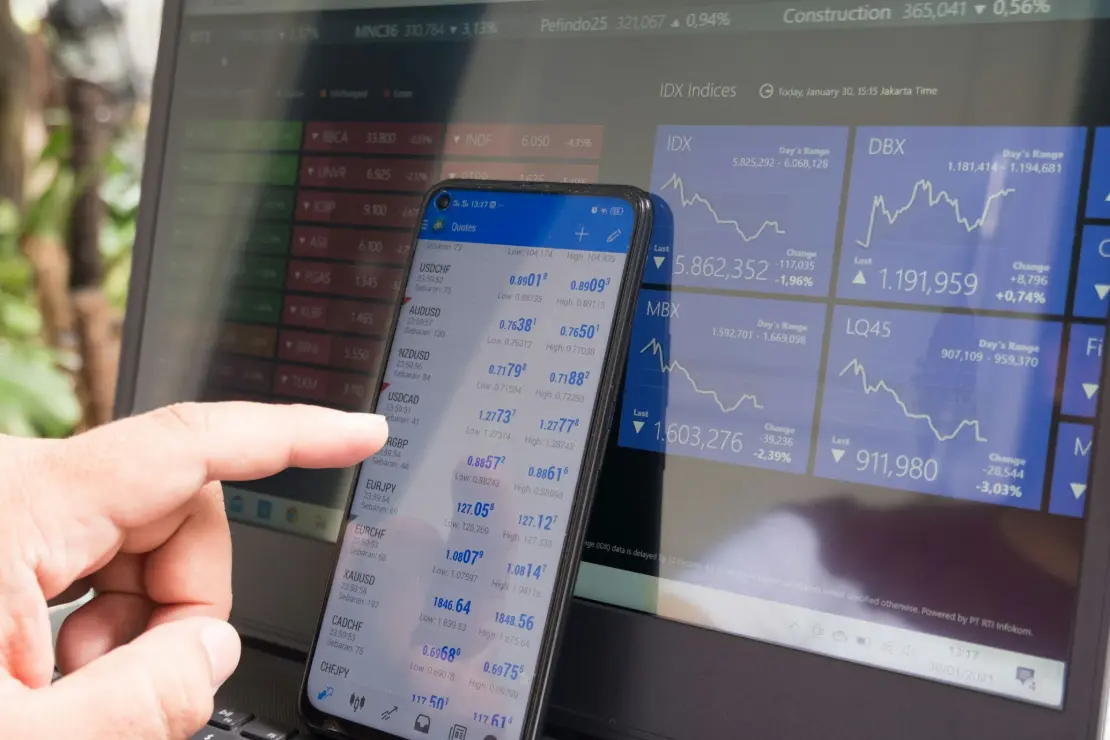
The forex market is decentralized, meaning it doesn’t operate from a central exchange like the other market. Instead, it operates through a network of banks, financial institutions, brokers, and individual traders who engage in currency trading through electronic platforms. This global network ensures that forex trading is available around the clock, from Sunday evening until Friday night, allowing participants to respond to market events in real time. This continuous market activity is a key feature that distinguishes forex from other asset markets.
Currencies are traded in pairs, where one currency is exchanged for another, with the value of one currency relative to the other determined by supply and demand. The most traded pairs, such as the EUR/USD (Euro/US Dollar) or GBP/USD (British Pound/US Dollar), typically have higher liquidity and narrower spreads, making them more favorable for traders. However, emerging market currencies like the Turkish Lira or Brazilian Real may present higher volatility, offering both opportunities and risks for traders.
Factors influencing forex prices include macroeconomic data, central bank policies, political events, and global economic trends. For example, changes in interest rates set by central banks can have a significant impact on currency values. Similarly, geopolitical events such as elections or trade negotiations can cause short-term fluctuations. Traders use a variety of strategies, including technical analysis, fundamental analysis, and sentiment analysis, to forecast price movements and make informed trading decisions. However, the high leverage available in forex trading also means that traders can amplify both potential profits and losses, making it essential to manage risk carefully.
The forex (foreign exchange) market is the world’s largest and most liquid financial market, where currencies are traded in pairs. It operates 24 hours a day, five days a week, and involves the exchange of one currency for another at an agreed-upon price. The forex market plays a crucial role in global trade and investment by facilitating the conversion of currencies for international business and investment purposes. It is influenced by various factors, including economic indicators, interest rates, geopolitical events, and market sentiment. Major currency pairs, such as EUR/USD, GBP/USD, and USD/JPY, dominate the market, while emerging market currencies can offer higher risk and potential reward. Forex trading occurs through brokers, banks, financial institutions, and individual traders. It can be highly volatile, offering opportunities for both speculation and hedging, but also presenting risks due to its unpredictable nature.