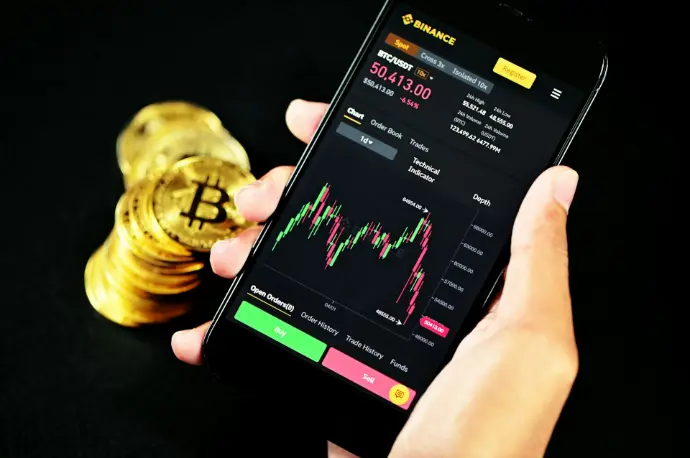
Crypto markets have become a key part of the global financial ecosystem, attracting not only individual retail investors but also institutional players such as hedge funds and publicly traded companies. One of the main drivers of growth in the crypto space has been the demand for decentralized finance (DeFi) applications, which use blockchain to offer financial services like lending, borrowing, and trading without traditional intermediaries. Additionally, the rise of Non-Fungible Tokens (NFTs) and smart contracts on platforms like Ethereum has expanded the scope of what cryptocurrencies can be used for, creating new markets and opportunities for traders and creators alike. Despite its potential, the crypto market is highly volatile, with prices subject to rapid fluctuations, making it both an exciting and risky space for investors.
As cryptocurrency adoption increases, various countries have begun regulating the market to ensure consumer protection, prevent illegal activities, and integrate digital assets into their existing financial systems. Cryptocurrency exchanges, such as Coinbase, Binance, and Kraken, have become essential platforms for buying, selling, and trading digital assets, with the ability to handle both large and small-scale transactions. Despite facing regulatory uncertainty in some regions and concerns over environmental impact (especially for proof-of-work cryptocurrencies), the market continues to evolve, with new innovations like proof-of-stake blockchains and central bank digital currencies (CBDCs) on the horizon.
The cryptocurrency market is also significantly influenced by macroeconomic factors such as inflation, central bank policies, and the overall sentiment in traditional financial markets. For example, Bitcoin and Ethereum are often seen as a hedge against inflation and currency devaluation, attracting investors seeking alternatives to fiat currencies. However, due to its speculative nature, the crypto market remains highly volatile, with dramatic price swings that can be both a source of profit and risk. As the market matures and more institutional players enter, the level of sophistication in trading strategies, from spot trading to derivatives, is likely to increase, making the market more complex but also more integrated with global financial markets.
The cryptocurrency market is a rapidly growing and evolving financial market that centers around digital currencies like Bitcoin, Ethereum, and thousands of other altcoins. Unlike traditional markets, cryptocurrencies are decentralized and operate on blockchain technology, which ensures transparency, security, and immutability of transactions. The market is open 24/7, allowing traders and investors to buy, sell, and trade digital assets at any time. Since the creation of Bitcoin in 2009 by an anonymous entity , the cryptocurrency market has expanded significantly, offering a wide range of digital assets for investment, speculation, and utility purposes.